


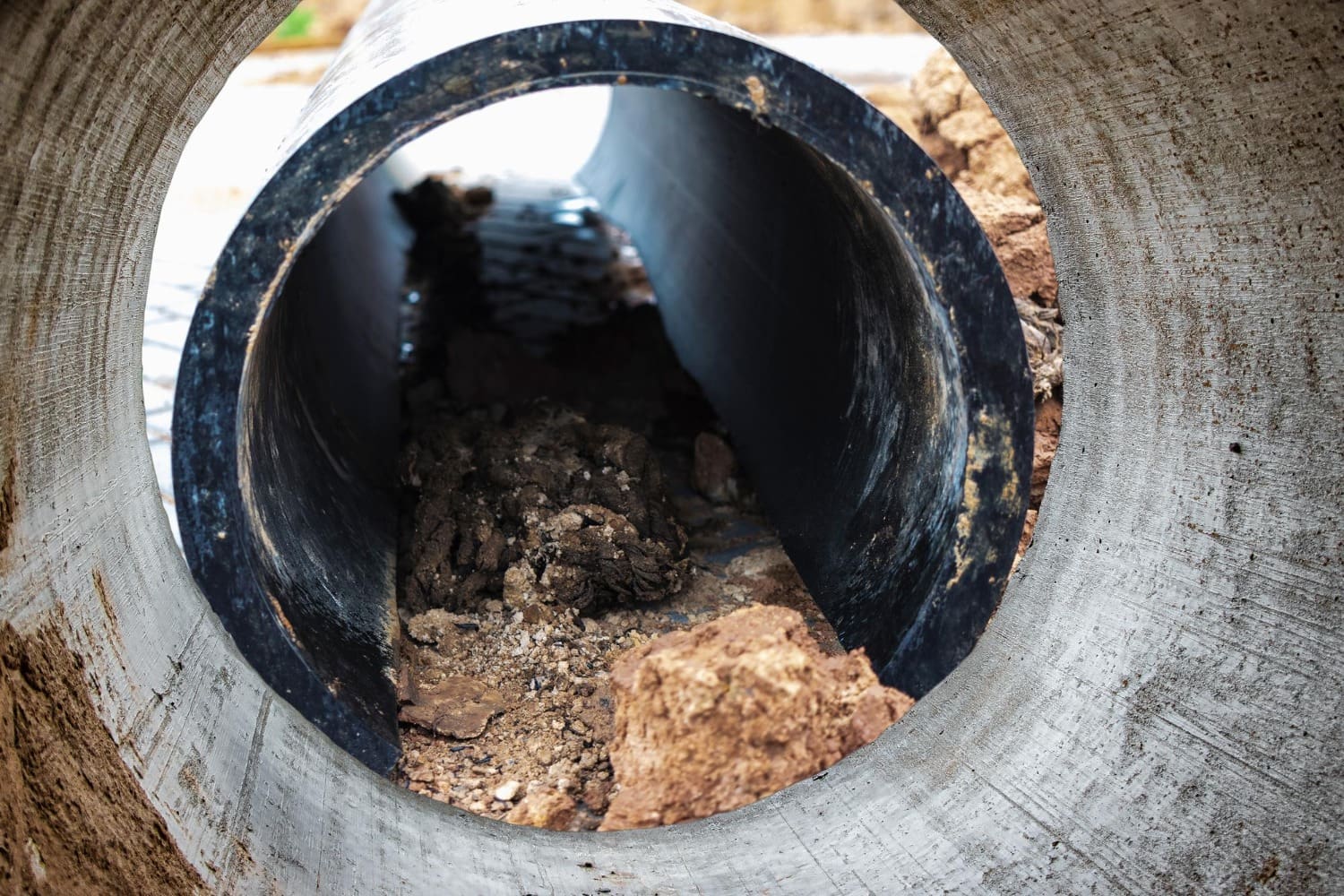
A clogged sewer line rarely announces itself as one obvious problem. More often it shows up as a handful of small issues at once, a slow drain here, a gurgling toilet there. These usually share one cause. The EPA identifies tree roots and grease buildup as two of the leading causes of sewer blockages nationwide, and both build up quietly for years before you notice anything at all.
If your kitchen sink, bathtub, and toilet all started acting up around the same time, that’s not a coincidence. Catching it early can save you from a sewage backup, water damage, and a much bigger repair bill down the line.
7 Warning Signs You May Have a Clogged Sewer Line
Here are the most common signs, and how urgent each one actually is.
Multiple Slow Drains
Several fixtures draining slowly at once usually isn’t local. One of the clearest signs of a main sewer line clog, since a single fixture issue rarely spreads to the whole house.
Toilets Gurgling
That gurgling sound is often trapped air escaping past a blockage further down the line. Easy to dismiss. Usually means something’s already restricting flow, though.
Sewage Odor
A persistent sewer smell from drains, especially in a basement or laundry room, often means wastewater isn’t flowing the way it should. Deserves real attention, not an air freshener.
Water Backing Up Into Tubs or Showers
Using the toilet or washing machine and watching water rise in your tub or shower? Take that seriously. Usually a blockage in the shared main line, not something local.
Frequent Toilet Clogs
One clogged toilet, no big deal. Toilets that clog again and again, especially alongside slow drains elsewhere, usually point to a bigger obstruction further down the line.
Standing Water Around Floor Drains
A floor drain that keeps collecting water with no obvious source is a warning sign. Often means wastewater’s backing up somewhere in the system with nowhere left to go.
Sewage Backup During Heavy Water Use
Problems only show up when you run the washing machine, shower, and dishwasher together? Your main sewer line may be too blocked to handle normal peak demand.
What Causes a Clogged Sewer Line?
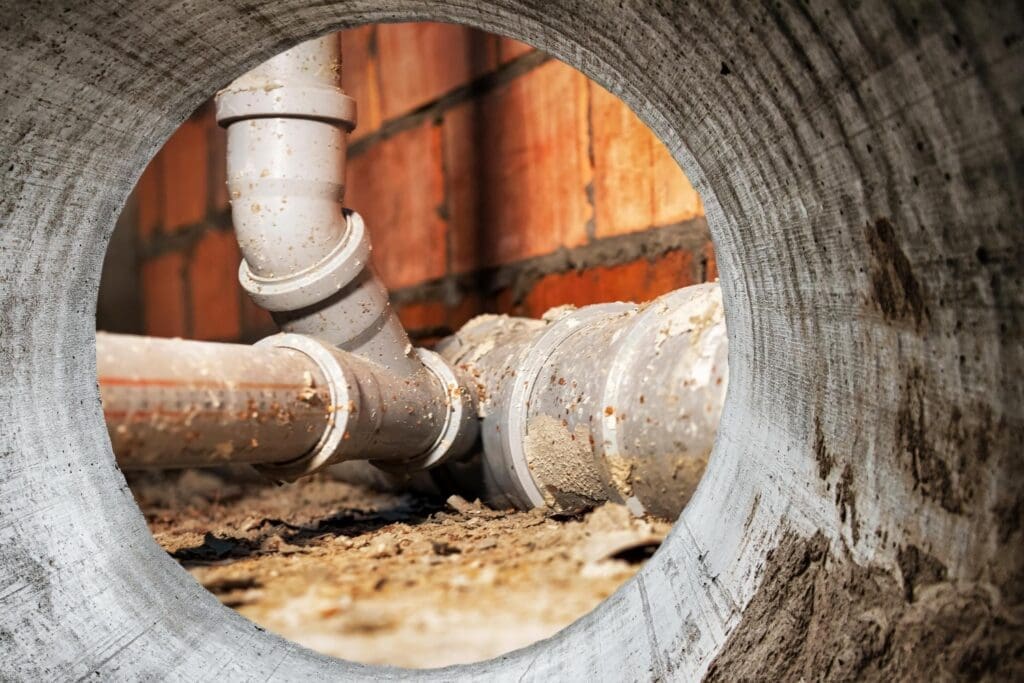
A main sewer line clog usually builds up gradually, from one or more of these:
- Tree roots growing into small cracks or joints, searching for water
- Grease buildup from cooking fat poured down kitchen drains
- Flushed wipes, paper towels, or other hygiene products that don’t break down
- Pipe collapse from shifting soil or old, deteriorated pipe material
- Aging clay or cast iron sewer pipes nearing the end of their lifespan
- Foreign objects accidentally flushed or washed into the line
Most homes deal with a mix of these over time, which is why sewer lines installed decades ago tend to run into more problems.
Can You Clear a Sewer Line Yourself?
A few things are safe to check before calling anyone.
- Check the sewer cleanout if you can access it
- Stop using multiple plumbing fixtures to avoid making a backup worse
- Observe whether every drain is affected, or just one
Chemical drain cleaners usually don’t work on a sewer line clog. They’re made for small, local clogs, not a blockage far down a main line, and they can damage older pipes without fixing the actual problem.
Wondering how to clear a main sewer line clog yourself? If none of these checks solve it, stop there. A blockage this far down needs professional tools, not more guesswork.
When It’s Time to Call a Professional Plumber
Once basic checks don’t resolve the issue, a professional diagnosis is the next step.
Plumbers use a sewer camera inspection to see exactly what’s inside the line before recommending a fix. Many follow NASSCO’s professional standards for pipe assessment. That confirms whether you’re dealing with roots, grease, a collapse, or something else entirely.
Hydro jetting uses high pressure water to clear blockages without harsh chemicals. Often the first step in clogged sewer line repair once the cause is confirmed. Severe cases, like a collapsed section of pipe, may need emergency plumbing and more involved repair work.
Identifying the exact cause before starting repairs saves you from paying for the wrong fix twice.
How to Help Prevent Future Sewer Line Clogs
A few habits go a long way here.
- Dispose of grease in the trash, never down the drain
- Avoid flushing wipes, even ones labeled flushable
- Schedule periodic drain inspections, especially in older homes
- Monitor tree roots planted near your sewer line’s path
The Bottom Line
Not every slow drain means a clogged sewer line. Most single fixture issues are minor and easy to fix.
Recurring backups affecting multiple fixtures at once are a different story. That pattern usually points to a main line problem that won’t resolve on its own and deserves a professional look.
Seeing more than one of these warning signs? Scheduling an inspection now is far easier than dealing with a sewage backup later.
Frequently Asked Questions
How do I know if my sewer line is clogged?
The clearest sign is multiple fixtures having problems at once, like slow drains, gurgling toilets, and sewage odors together. A single slow drain is usually local, not a main line issue.
Can I clear a clogged sewer line myself?
Sometimes, if the sewer cleanout is accessible and the blockage is minor. Most main line clogs need professional equipment, since chemical cleaners and home tools rarely reach far enough into the line.
What causes a main sewer line clog?
The most common causes are tree root intrusion, grease buildup, and flushed items like wipes. Aging pipes and shifting soil can also contribute, especially in homes over 30 years old.
Is a clogged sewer line an emergency?
It can be, especially if sewage is backing up into your home. Even without an active backup, a confirmed main line clog should be addressed quickly to avoid worse damage.
Will Drano clear a sewer line clog?
Usually not. Chemical drain cleaners are made for small, localized clogs, not blockages deep in a main sewer line, and can damage older pipes without solving the problem.
References
- U.S. Environmental Protection Agency (EPA): https://www.epa.gov
- American Water Works Association (AWWA): https://www.awwa.org
- International Association of Certified Home Inspectors (InterNACHI): https://www.nachi.org
- National Association of Sewer Service Companies (NASSCO): https://www.nassco.org
- Oatey, Plumbing Education & Resources: https://www.oatey.com